
Exosome Therapy
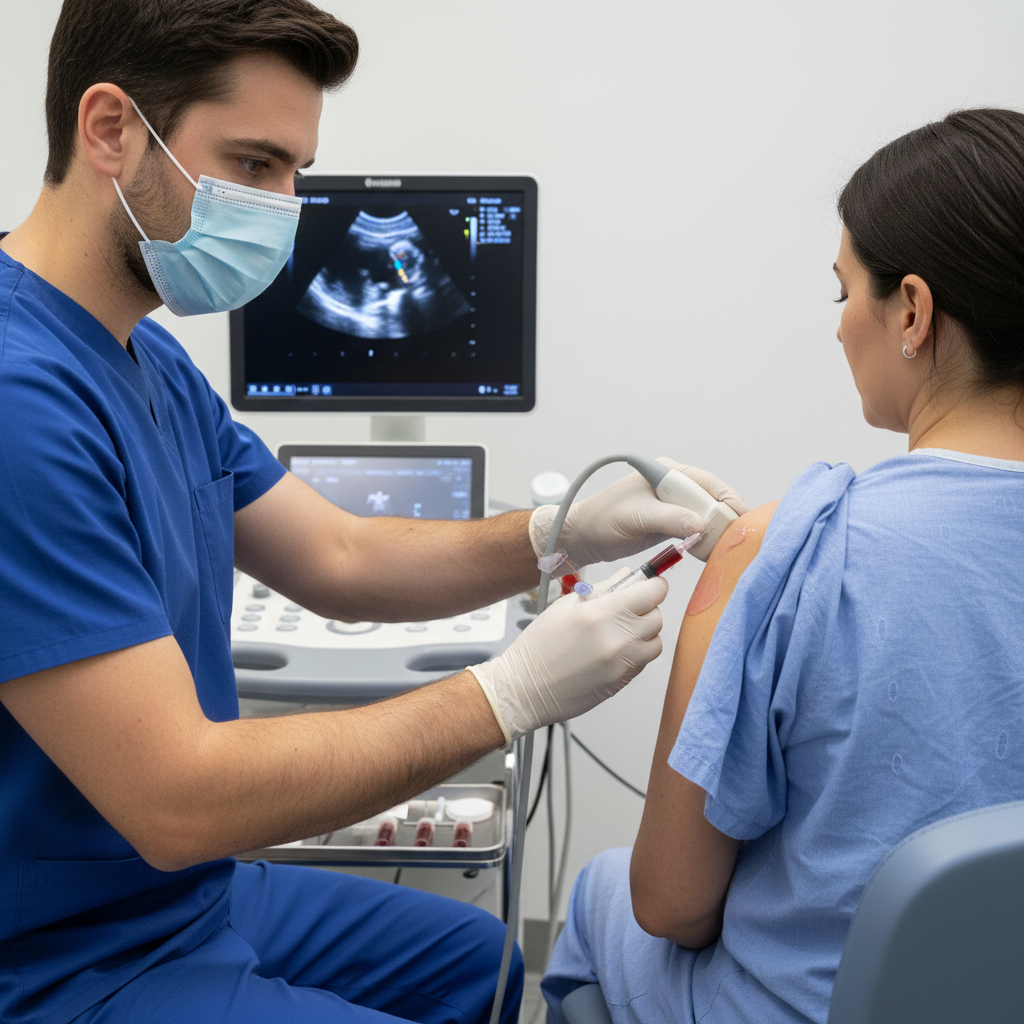

What Are Exosomes
Exosomes are microscopic extracellular vesicles released naturally by cells to communicate with other cells throughout the body. Measuring only a fraction of a micron, these biologic messengers transport proteins, lipids, growth factors, and genetic signaling molecules such as mRNA and microRNA. Once thought to be cellular byproducts, exosomes are now understood to play a critical role in tissue repair, immune regulation, and regenerative signaling. In hair restoration, exosomes derived from mesenchymal stem cells are used to enhance communication within the scalp’s cellular environment. Rather than introducing living cells, exosome therapy delivers concentrated regenerative signals that support follicle activity and scalp vitality. Because they are acellular, exosomes provide biologic stimulation without the concerns associated with cellular engraftment or proliferation. For individuals experiencing thinning hair, follicle miniaturization, or inflammatory scalp conditions, exosome therapy is designed to improve the biological signals that regulate hair growth and density.
How Exosomes Support Hair Growth
Exosomes interact with target cells via membrane fusion and cellular uptake. Once internalized, their cargo influences gene expression and protein production within the surrounding tissue. In the scalp, this can enhance follicular metabolism, improve blood vessel formation, and regulate inflammatory pathways that interfere with healthy growth.
MicroRNAs contained within exosomes can influence signaling pathways related to collagen production, angiogenesis, and follicular cycling. Proteins such as vascular endothelial growth factor support improved microcirculation, delivering oxygen and nutrients to hair follicles more efficiently. At the same time, inflammatory signaling molecules may be downregulated, creating a more balanced scalp environment.
Hair follicles depend heavily on precise cellular communication to remain active during the growth phase. When hormonal stress, inflammation, or genetic sensitivity disrupt these signals, thinning occurs. Exosome therapy works by strengthening regenerative signaling networks that support stronger, more consistent hair growth.
Why Wharton’s Jelly–Derived Exosomes Are Often Used
Exosomes derived from Wharton’s Jelly mesenchymal stem cells are frequently used in regenerative medicine due to their robust biological profile. Wharton’s Jelly is a gelatinous substance found within the umbilical cord and is collected ethically after childbirth. The mesenchymal stem cells derived from this tissue are biologically youthful and exhibit strong regenerative signaling characteristics.
Exosomes isolated from these cells carry a concentrated array of growth factors, cytokines, and regulatory molecules that support tissue repair and immune balance. Because the source tissue is young and minimally exposed to environmental stressors, the resulting exosomes often demonstrate high biologic activity.
Manufacturing is conducted under controlled laboratory conditions that adhere to Good Manufacturing Practice standards, ensuring consistency, sterility, and quality control throughout the preparation process.
Best-in-Class Adjunctive Ingredients: EleveXo H Hair Serum
EleveXo H is a regenerative hair serum specifically designed to complement standard exosome therapy. Its advanced formulation includes growth factors, biomimetic peptides, and supporting actives that enhance follicle repair, stimulate hair growth, and improve scalp health.
Key Benefits:
Supports follicle reactivation: Promotes transition from dormant to active hair follicles.
Extends anagen phase: Encourages longer growth cycles for stronger, thicker hair.
Enhances vascular support: Improves oxygen and nutrient delivery to follicles.
Protects scalp health: Reduces inflammation, oxidative stress, and supports tissue repair.
Adjunctive synergy: Works alongside PRP, stem cells, microneedling, and LLLT to optimize hair regeneration outcomes.
Targeted Users: Licensed professionals in hair restoration clinics, dermatology practices, and advanced aesthetic protocols.
Usage: Applied every 14 days, either standalone or paired with other regenerative therapies, with early improvement often visible within 6–8 weeks.
Clinical Applications in Hair Restoration
Exosome therapy is increasingly incorporated into hair restoration protocols for individuals experiencing androgenetic alopecia, stress-related shedding, early follicle miniaturization, and inflammatory scalp conditions. By supporting angiogenesis and modulating inflammatory signaling, exosomes may help extend the growth phase of the hair cycle and improve strand thickness.
They are often combined with other regenerative approaches, such as platelet-rich plasma, microneedling, or light-based therapies, to enhance overall follicular stimulation. Because the therapy is acellular, it focuses on enhancing the scalp’s regenerative environment rather than introducing structural tissue components.
Although promising research continues to expand, large-scale randomized clinical trials are ongoing to further validate long-term outcomes across medical specialties.
Safety and Regulatory Considerations
Exosome-based products are regulated as biologic therapies and must comply with laboratory manufacturing standards, including sterility testing, donor screening, and characterization of biologic content. Proper sourcing and quality assurance are essential to ensure product safety.
Current scientific evidence suggests that the risk of clinically significant DNA integration from Exosomal material is low, as most Exosomal genetic fragments are not incorporated into host genomes. However, long-term outcome data are still evolving, and careful patient evaluation is recommended.
Concerns about tumor promotion remain under investigation. There is no definitive evidence demonstrating that properly prepared mesenchymal-derived exosomes independently initiate malignancy. Nonetheless, individuals with active or prior cancer diagnoses should undergo a thorough medical assessment before considering therapy.
Donor screening protocols help minimize infectious risk, and controlled processing reduces variability in biologic content. Facilities operating under stringent regulatory oversight provide additional assurance of manufacturing consistency.
Exosome Therapy Compared to Other Hair Treatments
Many traditional hair therapies focus on stimulating growth temporarily or reducing shedding. Exosome therapy differs in that it seeks to improve the underlying cellular communication that governs follicular performance. By enhancing regenerative signaling within the scalp, it aims to support long-term follicle vitality rather than short-term cosmetic changes.
This approach does not alter DNA and does not permanently integrate into tissue. Instead, it delivers biological signals that promote healthier cellular behavior. When used early in the progression of hair thinning, exosome therapy may help stabilize density and improve strand quality over time.
Patient Considerations
Before undergoing exosome therapy, individuals should receive a comprehensive evaluation of scalp health, duration of thinning, hormonal status, nutritional factors, and overall medical history. Results vary depending on the stage of follicular miniaturization and the underlying cause of hair loss.
Because regenerative therapies rely on viable follicles, earlier intervention typically yields stronger responses. A personalized plan that integrates scalp optimization, nutritional support, and appropriate adjunct therapies offers the most comprehensive strategy for long-term hair wellness.
Exosome therapy is designed to enhance the scalp’s regenerative environment and support natural hair growth by improving the cellular signals that guide follicle activity.